
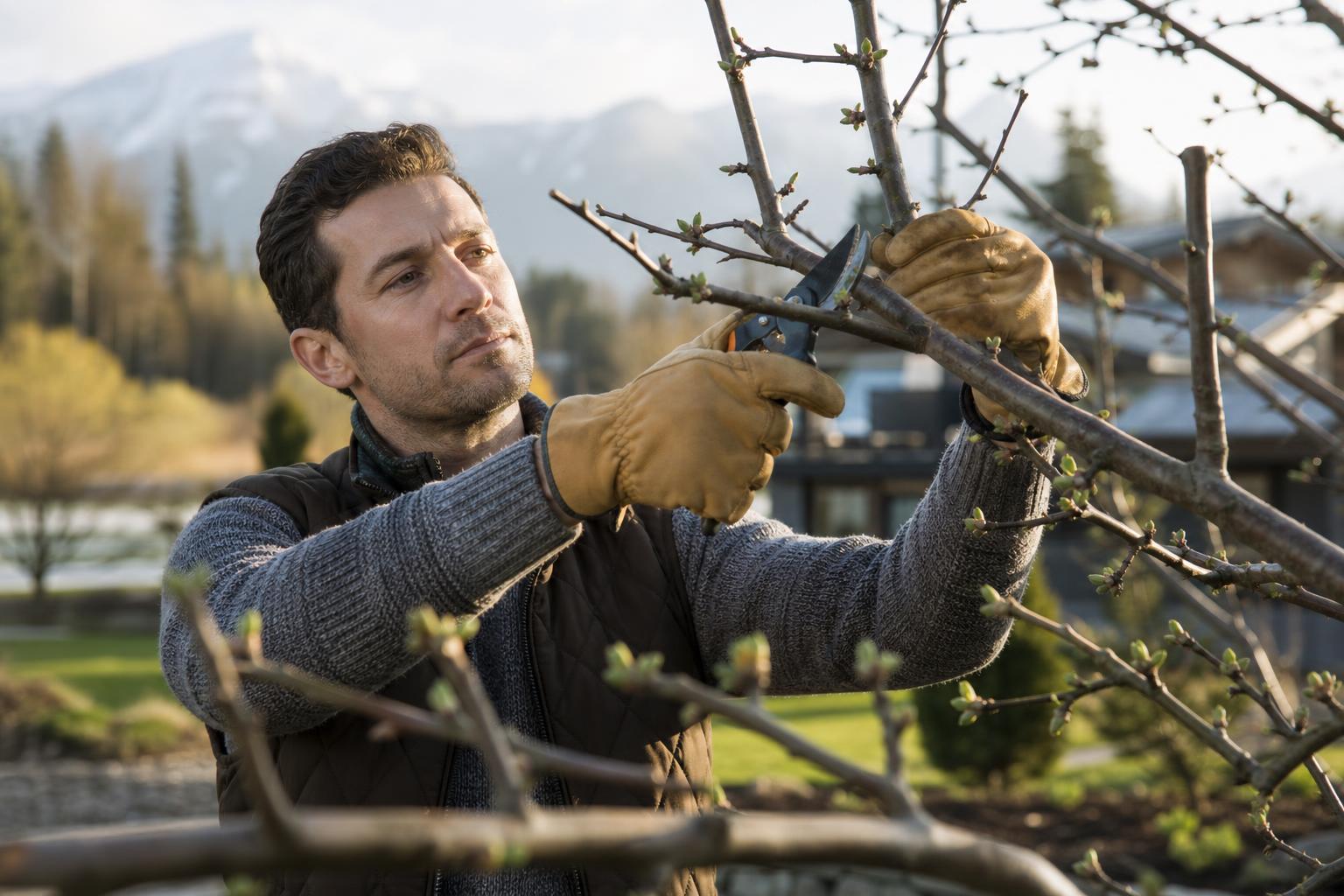
Most pruning problems are tool problems. A branch that will not cut cleanly, a hedge that looks chewed, a rose that dies back after trimming — usually the cause is the wrong tool for the cut, or the right tool gone dull.
This guide sets out what each garden cutting tool is designed for, where the sensible limits are, and how to keep pruners, loppers, hedge shears and snips working season after season.
The Four Families of Garden Cutting Tools
| Tool | Typical capacity | Use it for |
|---|---|---|
| Floral snips | Soft stems and herbs | Flowers, herbs, deadheading, harvest, detail work |
| Hand pruners | Green wood to about 20 mm | Everyday pruning, shaping, roses, small branches |
| Loppers | Roughly 25–50 mm | Larger branches, higher reach, heavier pruning |
| Hedge shears | Soft new growth | Shearing hedges, boxwood, cedar, formal shapes |
| Pruning saw | Beyond lopper capacity | Established branches and limb removal |
Bypass Pruners: The Everyday Standard
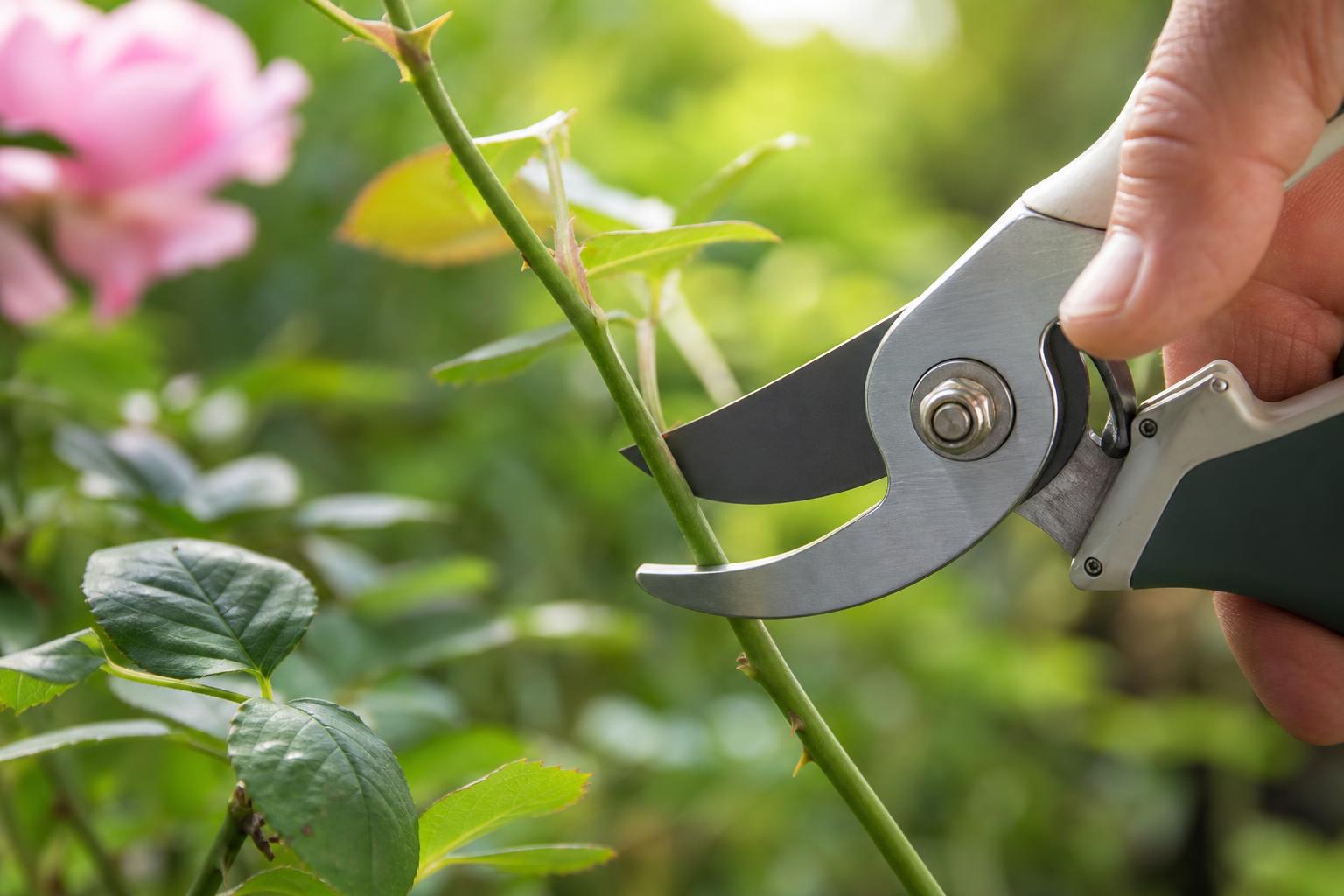
A bypass pruner works like scissors — a curved sharpened blade passes a thicker hooked counter-blade, slicing the stem rather than pressing through it. That clean cut leaves a smaller wound, which the plant seals faster.
Bypass pruners are the right default for living growth: perennials, roses, shrubs, fruit trees, vines. Look for a comfortable grip, a positive safety lock and a coated blade that sheds sap.
Anvil Pruners
An anvil pruner presses a straight blade down onto a flat surface. That gives more cutting force with less effort, which suits dry and dead wood — but it crushes green stems. Keep anvil pruners for deadwood cleanup and bypass pruners for live material.
Ratchet Pruners
Ratchet models cut in stages, letting the user work through a tough branch in several squeezes instead of one. They are a genuine help for anyone with limited hand strength or arthritis.
Pruners vs. Loppers: Knowing When to Step Up
The signal is simple. If the cut takes both hands, requires twisting the tool, or leaves a ragged edge, the branch is past pruner capacity. Move to loppers.
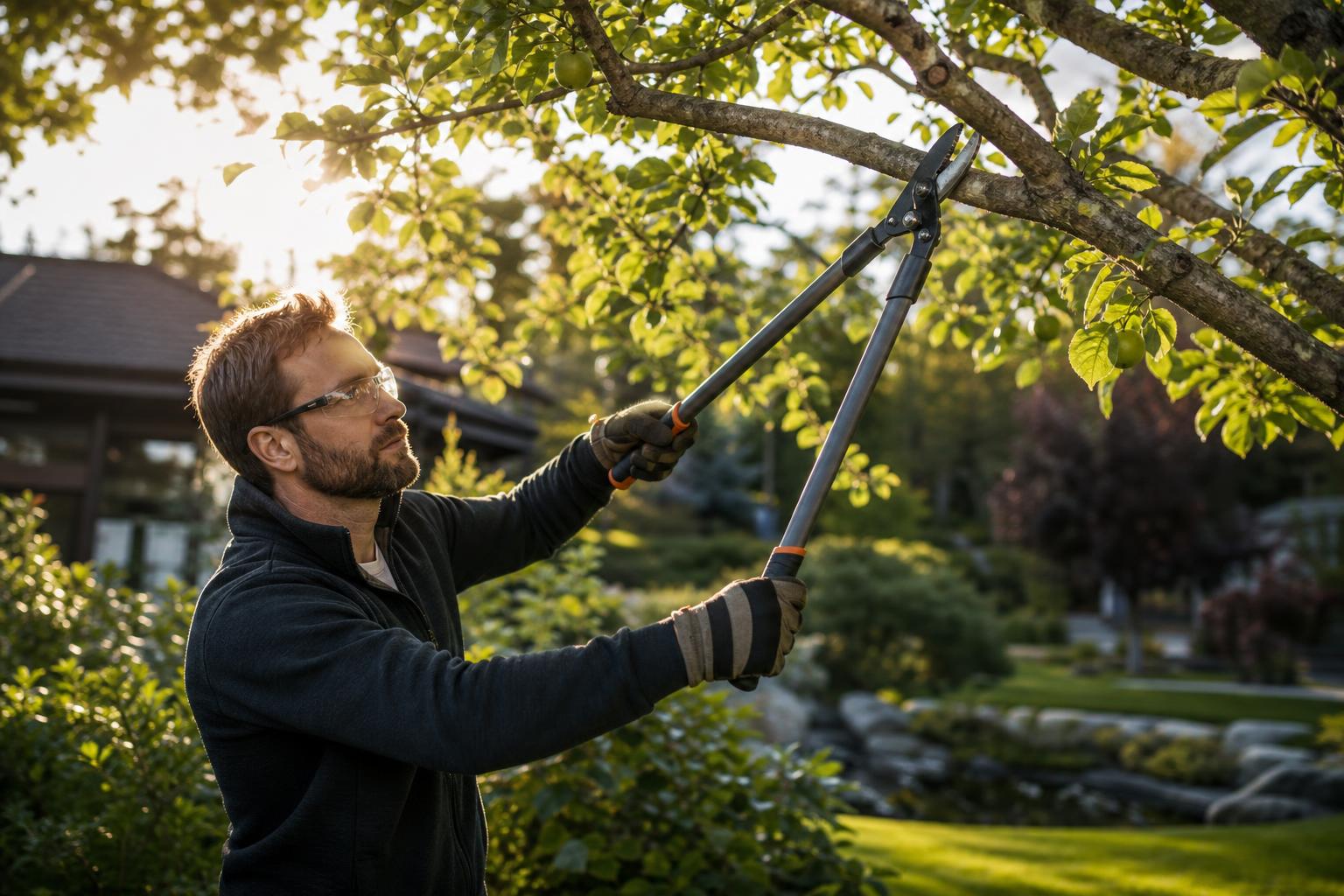
- Loppers add leverage through long handles, so heavier branches cut with less force.
- They add reach into shrubs and low tree canopies without a ladder.
- Bypass loppers suit live wood; anvil loppers suit dry and dead branches.
- Once a branch exceeds lopper capacity, switch to a pruning saw rather than forcing the jaws.
Forcing a cut is the fastest way to spring a pivot, bend a blade or leave a crushed stub that invites disease.
Choosing Hedge Shears
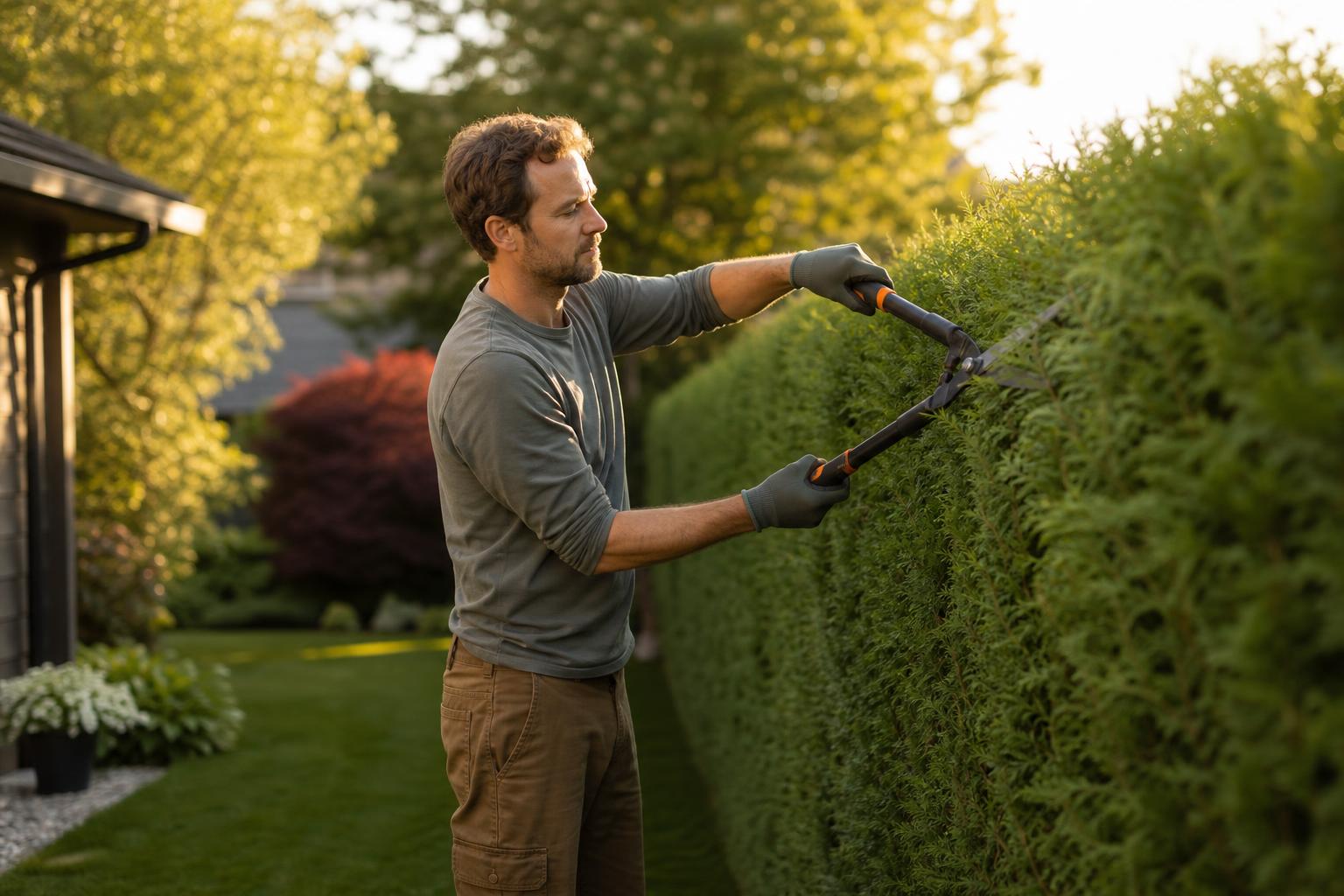
Hedge shears are about line and volume. Three details decide how well a pair performs.
- Blade length — longer blades cut a straighter line across a hedge face; shorter blades give more control on small or rounded shapes.
- Handle design and length — longer handles give leverage and reach; lightweight tubular handles reduce fatigue on a long hedge run.
- Shock absorption — bumpers between the handles take the jolt out of each stroke, which matters after the first hundred cuts.
Shears are meant for soft new growth. Reaching into a hedge for a thick interior branch is a job for loppers, not shears.
Floral Snips and Precision Cutting
Snips are the small, sharp, light tool for close work: cutting flowers for the table, harvesting herbs and beans, deadheading, thinning seedlings, trimming houseplants. Their narrow pointed blades reach into a plant without damaging neighbouring stems, and their light weight makes an hour of detail work comfortable.
How to Keep Cutting Tools Sharp and Working
- Wipe blades after each session — dried sap is what makes a pruner stiff and sticky.
- Clean sap with a solvent or soapy water, then dry the blade fully.
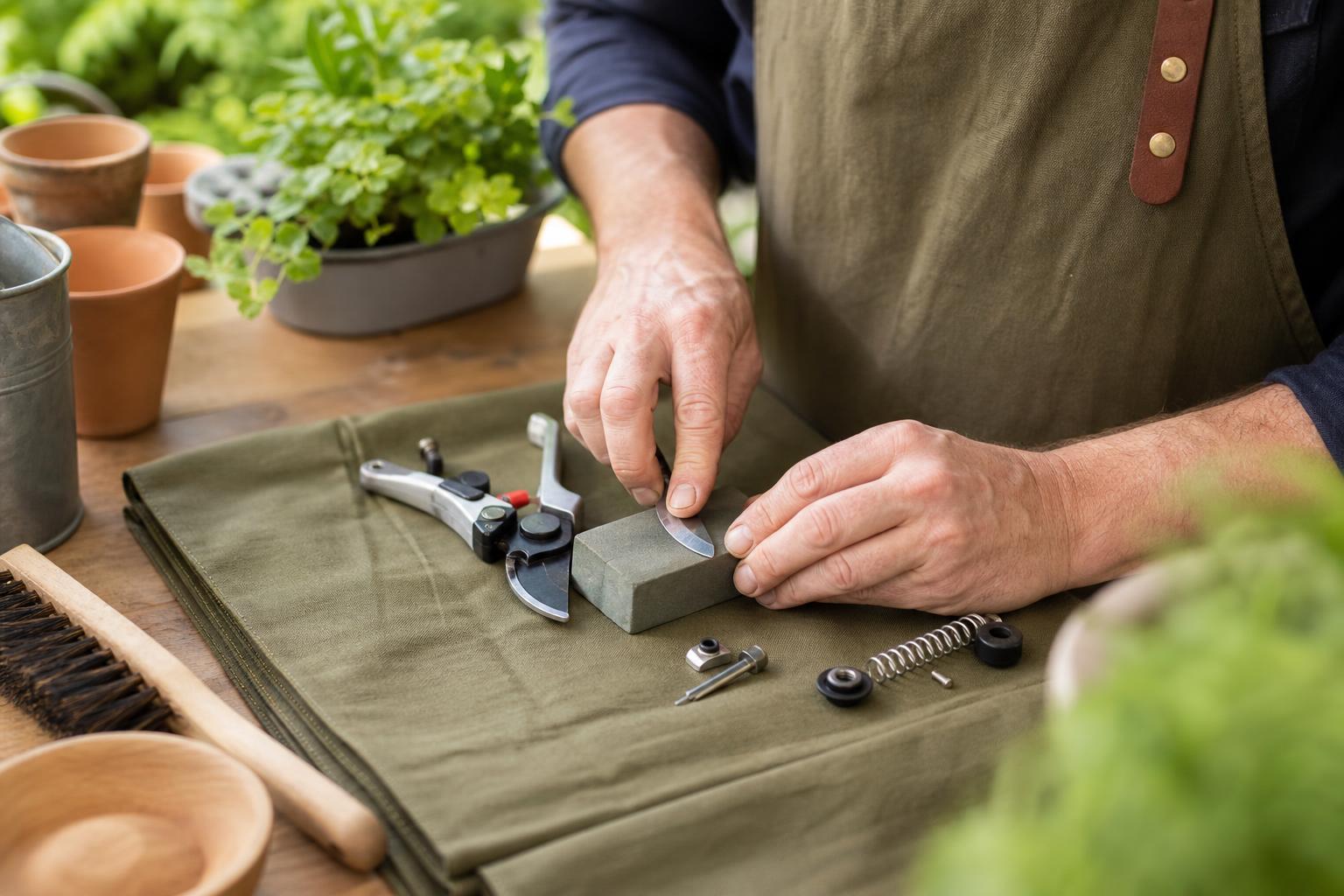
- Sharpen the bevelled side of the cutting blade only, following the existing angle with a fine file or sharpening stone.
- Put a drop of oil on the pivot and spring a few times a season.
- Disinfect blades between plants when working with diseased material.
- Store tools closed and locked, indoors and dry — not left on a garden bench through a rainy fall.
When Should You Prune in Canada?
Timing depends on the plant and your hardiness zone, but a few principles hold across the country.
- Late winter to early spring, before bud break, is the main window for most deciduous trees and shrubs — the structure is visible and the plant responds with vigorous spring growth.
- Spring-flowering shrubs such as lilac, forsythia and some hydrangeas are pruned right after flowering, because their buds form on old wood.
- Summer is for light shaping, deadheading and hedge maintenance as growth flushes.
- Avoid hard pruning in late summer and early fall; new growth will not harden off before frost.
- Dead, damaged or diseased wood can be removed at any time of year.
If you are unsure about a specific species, check with a local garden centre or provincial horticultural resource — the right week in Victoria is not the right week in Winnipeg.
Frequently Asked Questions
What is the difference between pruners and pruning shears?
They are the same tool. Pruners, pruning shears, hand pruners and secateurs all describe the one-handed cutting tool used for stems and small branches. The name changes by region and retailer, not by design.
What is a bypass pruner?
A bypass pruner has two curved blades that pass each other like scissors. The sharpened blade slices past a thicker hook, producing a clean cut that damages less living tissue. Bypass pruners are the standard choice for green, living growth.
Should I use pruners or loppers?
Use pruners for anything you can cut comfortably with one hand — generally stems up to about 20 mm, or roughly three quarters of an inch. Move to loppers when the branch resists, when you need extra reach, or when you find yourself twisting the pruners to finish a cut.
What size branches can garden pruners cut?
Most quality hand pruners are rated for green wood up to about 20 mm. Dry, dead or hardwood branches cut smaller than the rating. Forcing an oversized branch damages the pivot and leaves a crushed cut the plant struggles to seal.
What are hedge shears used for?
Hedge shears are two-handed tools with long blades for shearing soft new growth across a broad surface: formal hedges, boxwood, cedar and shrubs kept to a shape. They are for volume and line, not for individual thick branches.
What is the best tool for cutting small branches?
Bypass pruners for small green stems, loppers for branches beyond one-handed cutting, and a pruning saw once a branch exceeds roughly 40 to 50 mm. Matching the tool to the branch protects both the plant and the tool.
How often should pruning tools be sharpened?
Touch up the blade every few sessions during heavy use, and sharpen properly at the start and end of the season. A dull blade tears rather than cuts, which slows healing and invites disease.
When should trees and shrubs be pruned in Canada?
Most deciduous trees and shrubs are best pruned in late winter or early spring while dormant and before bud break. Spring-flowering shrubs such as lilac and forsythia are pruned right after they bloom, since they set next year's buds on old wood. Dead, damaged or diseased growth can be removed any time. Timing varies by species and hardiness zone, so confirm for the specific plant.
Holland Greenhouse has supplied Canadian garden centres and retailers since 1988. Our cutting tool program covers floral snips, pruners, hedge shears and loppers, and pairs naturally with our hand tool grades and plant support and growing range. For the rest of the season, read our guides to choosing a garden hose and long-handle garden tools.