
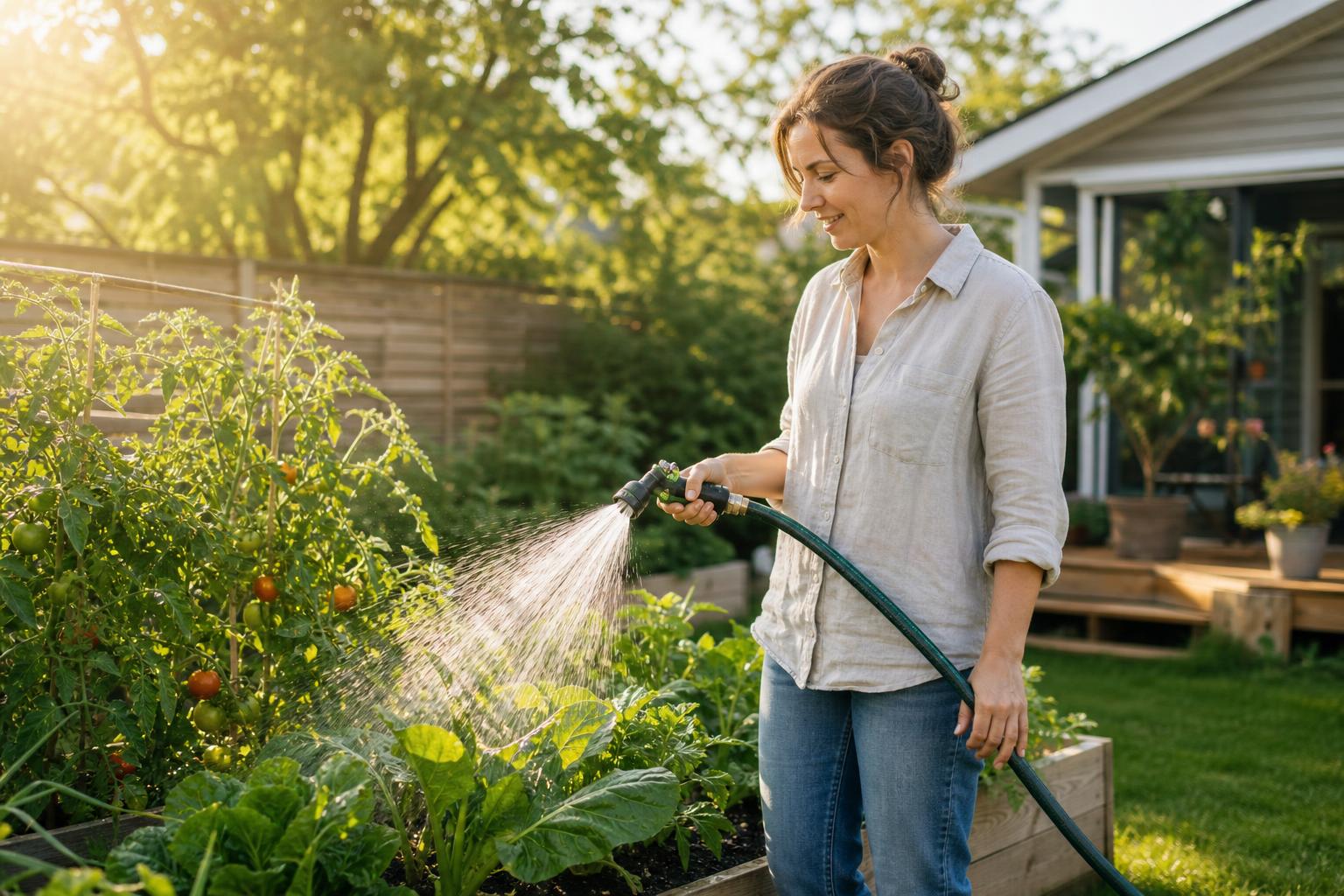
A garden hose is the one product in the yard that gets used almost every day from the May long weekend until the first hard frost — and it is usually the first thing to fail. Choosing the best garden hose in Canada is less about brand names than about matching material, diameter and length to how you actually water.
This guide covers what separates a good hose from a disposable one, how hybrid garden hoses compare to rubber and traditional vinyl, and how our climate — freeze-thaw springs, hot dry prairie summers, wet coastal falls — should shape the decision.
What Makes a Good Garden Hose
Four things decide whether a hose is still working in year five: the material, the wall construction, the couplings and how it is stored. Everything else is packaging.
- Material and flexibility — a hose that stays supple is easier to drag, coils without fighting back and is far less likely to kink.
- Reinforcement — layers of woven mesh between the inner tube and outer jacket give burst strength and help the hose hold its round shape.
- Couplings — the fittings at each end take the abuse. Metal couplings resist crushing; a crushed coupling is the most common reason a usable hose gets thrown out.
- Cold-weather rating — a hose that goes rigid at 5 °C is a problem in a country where watering season starts and ends near freezing.
- Diameter and length — the two numbers that determine how much water reaches the far end of the yard.
Hybrid Garden Hoses: Why They Have Taken Over
Hybrid hoses are the biggest change in home watering in the past decade. They are built from a polymer blend engineered to behave like rubber without the weight, which addresses the two complaints gardeners have always had: hoses are heavy, and hoses kink.
What a Hybrid Garden Hose Is
A hybrid hose uses a flexible polymer inner tube, a reinforcement layer and an abrasion- resistant outer jacket. The result lies flat on the lawn instead of holding a memory coil, stays workable in cool weather, and weighs noticeably less than a rubber hose of the same length and diameter.
Hybrid vs. Traditional Vinyl Hoses
Traditional vinyl hoses are inexpensive and light, and that is the end of the list. They take a set from the reel, kink at the slightest fold, stiffen in cold weather and crack after a season or two of UV exposure. A hybrid hose costs more up front and usually outlasts several vinyl hoses.
Hybrid vs. Rubber Hoses
Rubber remains the toughest material available and is still the right answer for contractors, greenhouses and anywhere a hose gets dragged across gravel daily or handles hot water. The trade-off is weight. A 100 ft. rubber hose is genuinely heavy work to move, and for most homeowners a hybrid delivers most of the durability at a fraction of the effort.
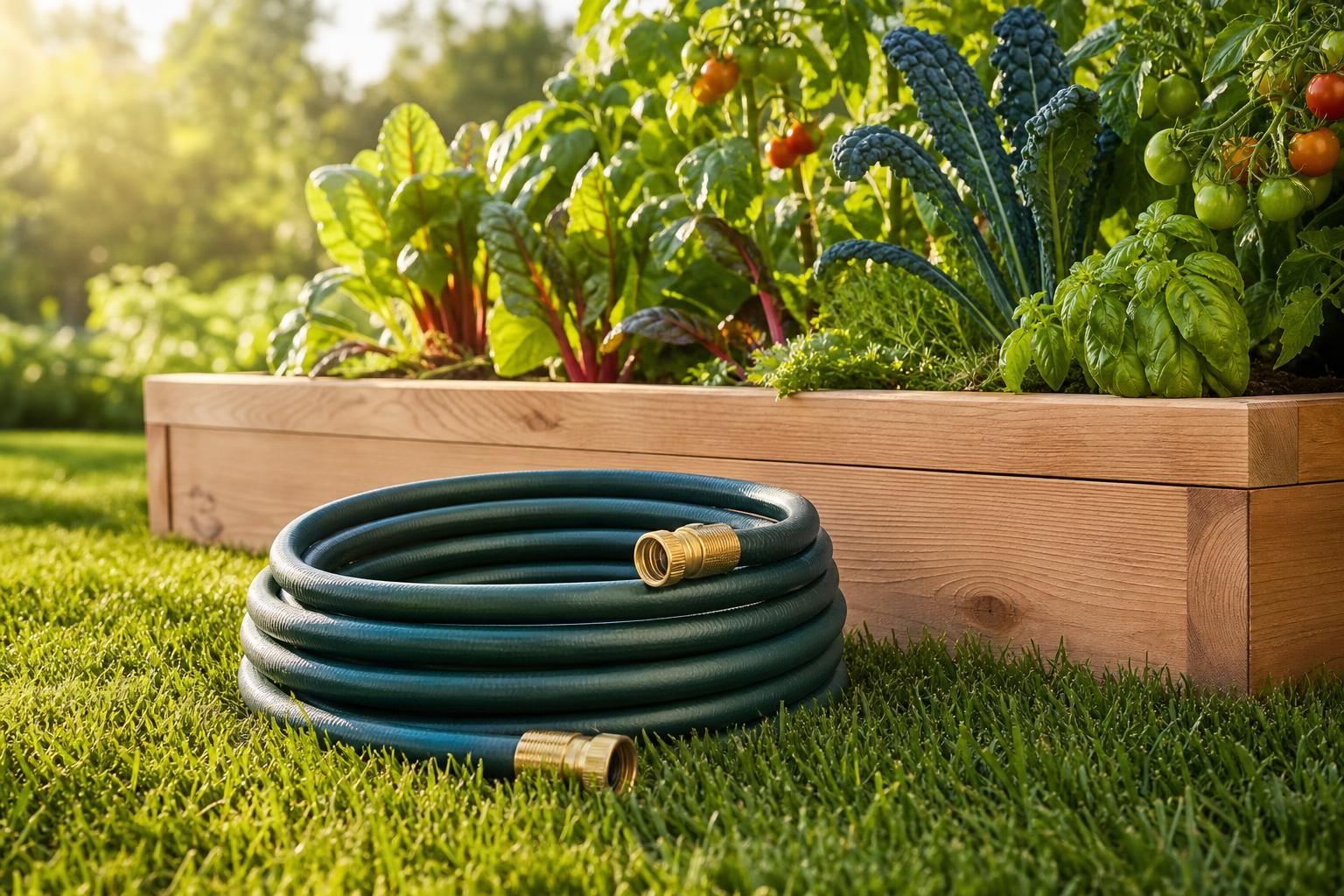
Hybrid vs. Rubber vs. Vinyl: A Straight Comparison
| Hose type | Strengths | Trade-offs | Best for |
|---|---|---|---|
| Hybrid | Light, flexible, strong kink resistance, stays supple in the cold | Costs more than vinyl | Everyday home and garden watering across the season |
| Rubber | Maximum durability and abrasion resistance, handles hot water | Heaviest option to drag and coil | Contractors, farms, greenhouses, constant heavy use |
| Vinyl / traditional | Lowest cost, very light | Kinks easily, stiffens in cold, short service life | Light seasonal use, small patios and balconies |
| Soaker | Delivers water slowly at the root zone, reduces evaporation | Not for nozzles or pressure spraying | Vegetable rows, hedges, perennial beds |
| RV / marine / drinking-water | Made from materials intended for potable water | Not a general-purpose yard hose | Trailers, boats, campsites, filling water containers |
Lightweight or Heavy-Duty?
Weight is a real consideration, not a marketing point. If the person watering is managing a hose one-handed while carrying a nozzle, a lightweight hybrid in a 50 ft. length is far more likely to get used than a heavy-duty rubber hose that lives coiled in the corner.
Choose heavy-duty when the hose will be dragged over concrete, gravel or rough ground; left connected under pressure for long periods; used with high-flow sprinklers; or shared on a commercial site where equipment gets rough treatment.
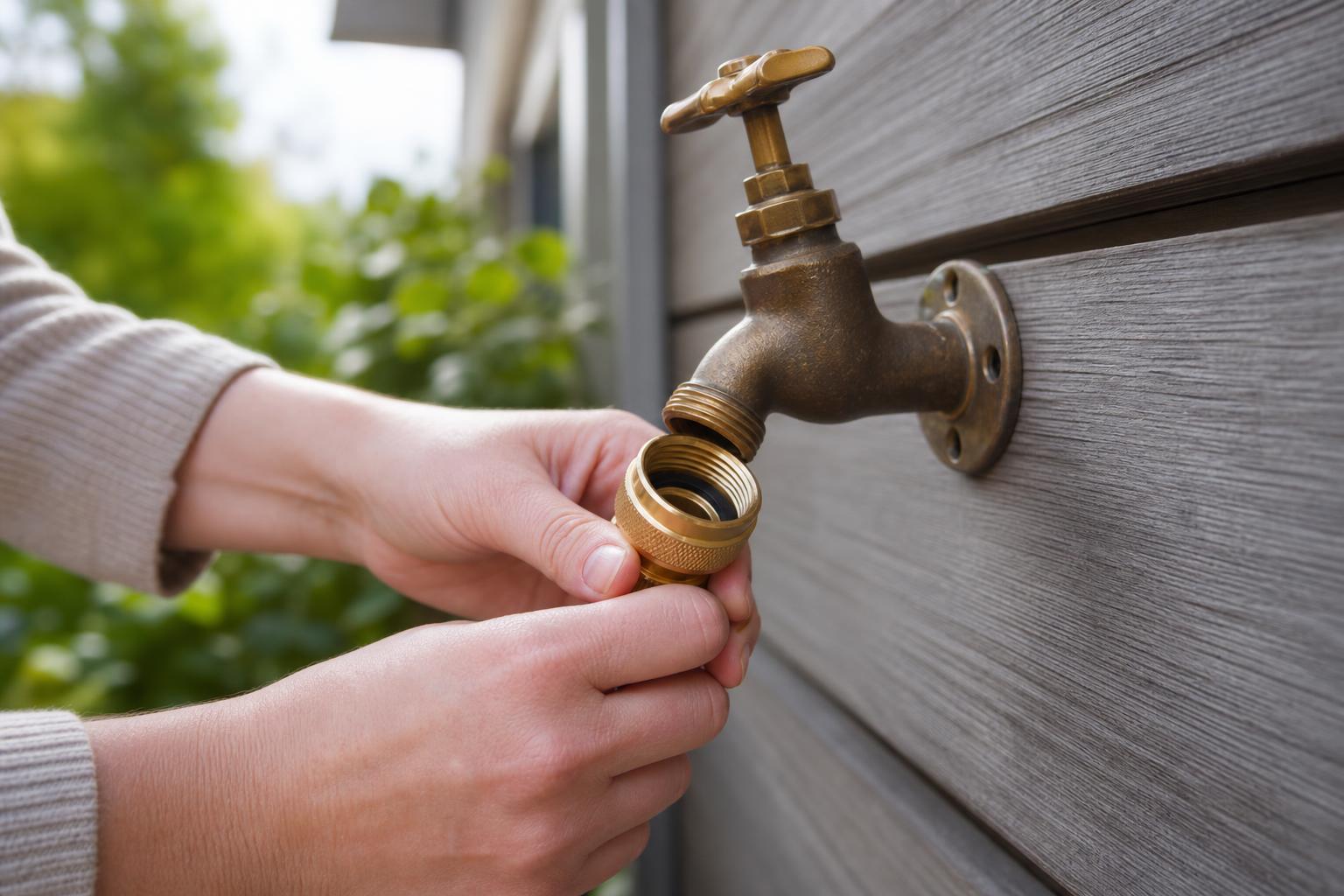
Kink Resistance and Flexibility
Kinking is a function of material memory and wall construction. A hose that returns to round after being folded will shrug off most kinks; a hose that holds a crease will kink in the same spot for the rest of its life.
- Store hoses in wide loops rather than tight figure-eights.
- Use a hose reel or hanger with a large radius — tight hangers create permanent bends.
- Add a swivel or elbow at the tap so the hose is not forced into a sharp turn at the connection.
- Pull from the loop, not from the middle of a coiled pile.
Cold-Weather Flexibility Matters in Canada
Most of the country waters in shoulder-season temperatures. Seedlings go out while nights are still near freezing, and fall watering of trees and shrubs continues right up to freeze-up. A hose that turns into a rigid hoop at those temperatures is unusable exactly when you need it.
Hybrid and rubber hoses stay workable in cool weather. Vinyl does not. If you garden in a region with a short season — the Prairies, northern Ontario and Quebec, or anywhere with late frosts — cold flexibility is worth paying for.
Hose Diameter and Water Flow
Diameter controls flow. The common sizes are 1/2 in., 5/8 in. and 3/4 in., measured on the inside of the hose.
- 1/2 in. — light and easy to handle, but limited flow. Fine for containers, balconies and small beds.
- 5/8 in. — the standard size for Canadian homes. Enough flow for oscillating sprinklers and nozzles without excessive weight.
- 3/4 in. — highest flow, used for long runs, commercial sites and situations where pressure loss over distance is a concern.
Flow also drops as length increases. A 100 ft. hose will deliver noticeably less at the nozzle than a 25 ft. hose on the same tap, which is why buying far more length than you need is counterproductive.
Choosing a Length: 25, 50, 75 or 100 Feet
Measure the distance from the outdoor tap to the farthest thing you water, then add a bit of slack for corners and manoeuvring.
| Length | Typical use |
|---|---|
| 25 ft. | Balconies, patios, small city yards, greenhouse benches |
| 50 ft. | The most common choice for suburban lots and typical back gardens |
| 75 ft. | Larger yards, corner lots, front-and-back coverage from one tap |
| 100 ft. | Acreages, rural properties, commercial and job-site use |
Two shorter hoses joined with a quality connector are often more practical than one very long hose — you can use just the length you need and store the rest.
Specialty Hoses Worth Knowing
Soaker Hoses
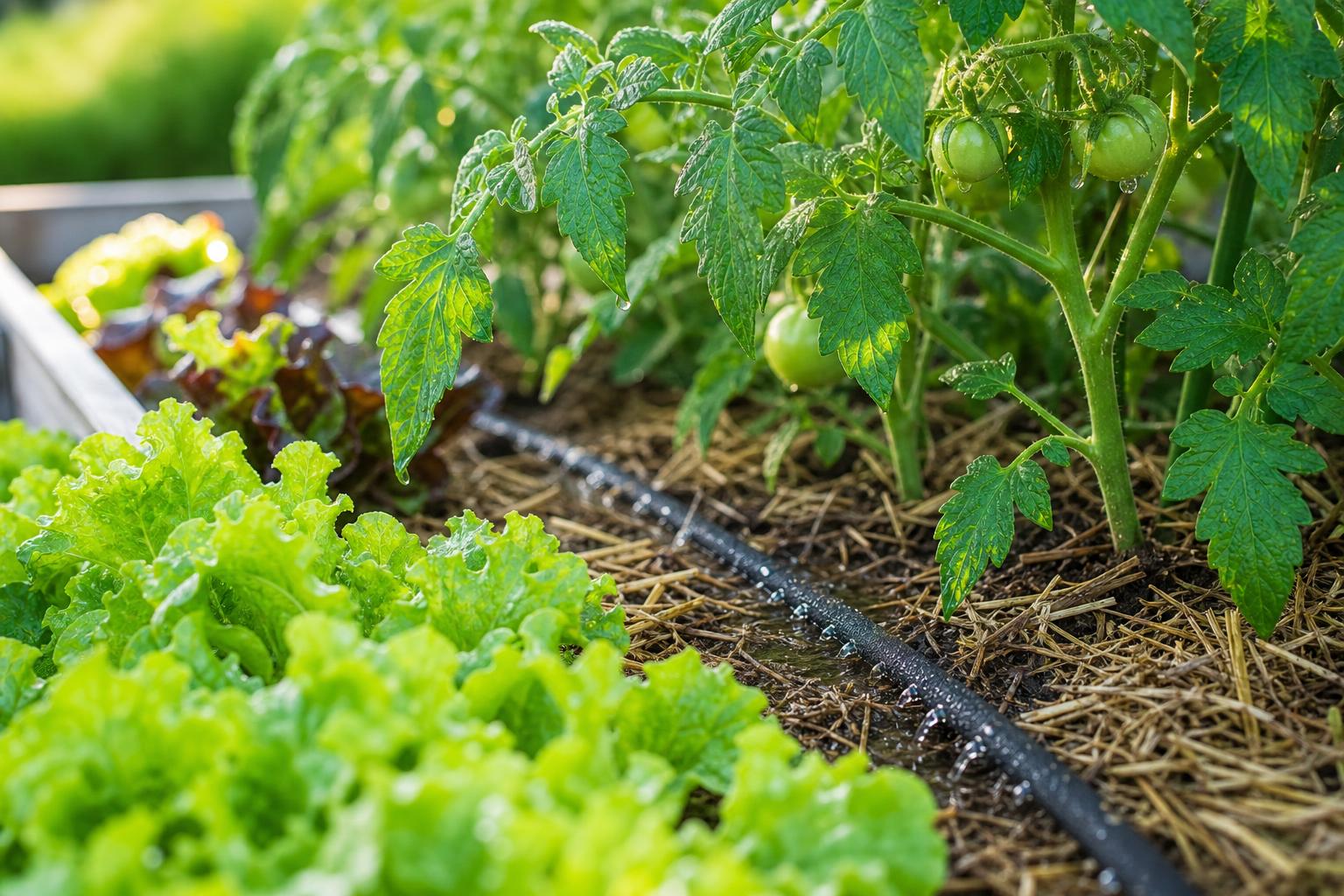
Soaker hoses weep water along their length directly into the soil. They are the most efficient way to water vegetable rows, hedges and perennial beds because almost nothing is lost to evaporation or wind — a real advantage in dry Prairie and Interior summers, and during municipal watering restrictions. Run them under mulch and put them on a timer.
Drinking-Water-Safe, RV and Marine Hoses
If the water will be consumed, use a hose made for it. RV and marine hoses are built for trailers, boats and campsites, typically in shorter lengths and lighter colours that resist heat build-up. They are also the right choice for filling water barrels and pet bowls.
Commercial and Contractor Hoses
Landscape crews, garden centres and greenhouse operations put hoses through cycles a homeowner never will. Heavy rubber construction, crush-resistant couplings and 3/4 in. diameters are the norm, and replacing couplings rather than whole hoses becomes part of routine maintenance.
Storage and Care: How to Make a Hose Last
- Shut off the tap and release pressure after every use — standing pressure stresses the wall and fittings.
- Drain the hose before storing it; trapped water freezes, and freezing water is what splits hoses.
- Keep hoses out of direct sun when stored. UV is the quiet killer of hose jackets.
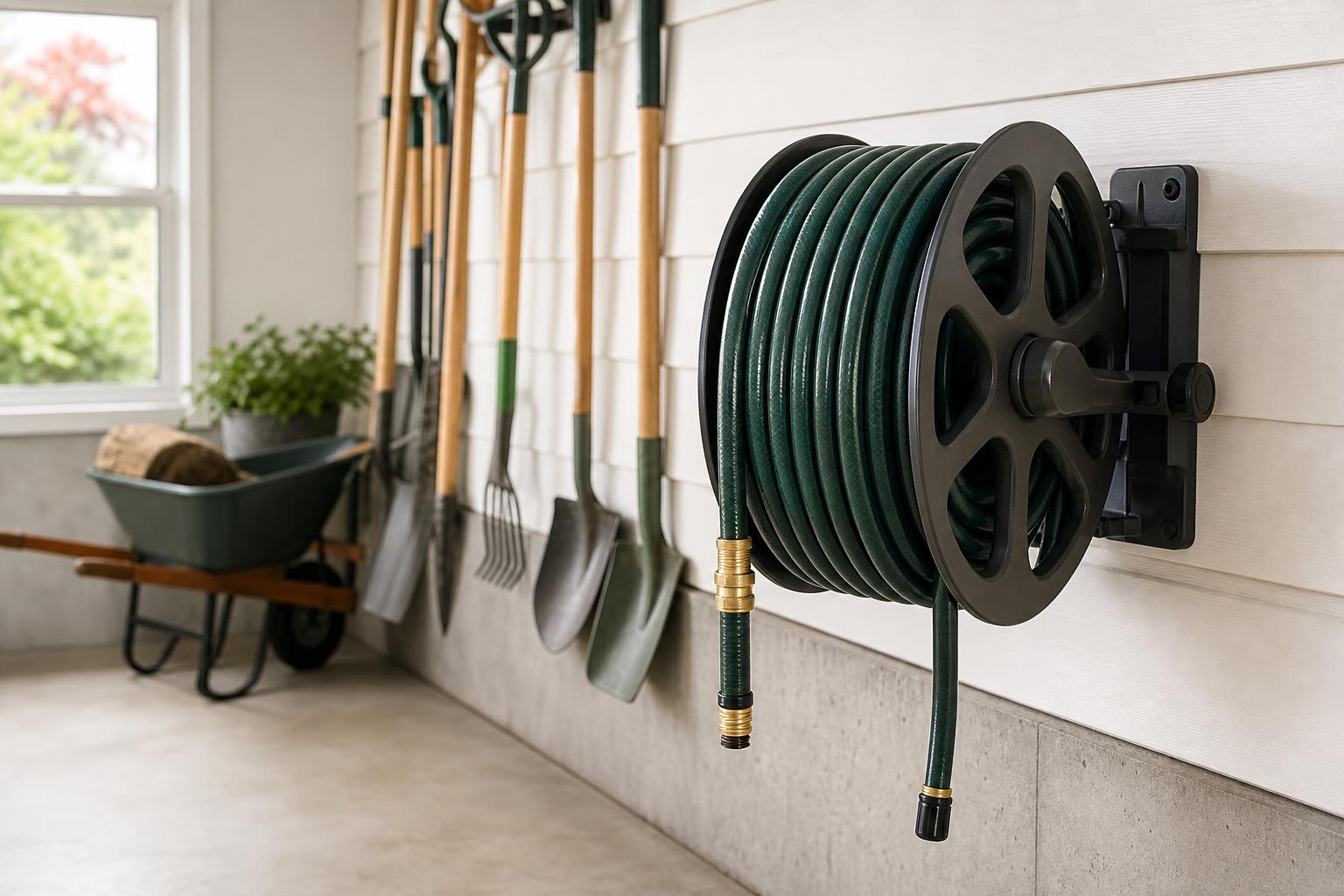
- Coil loosely on a reel or wide hanger instead of dropping it in a pile where vehicles and mowers can crush it.
- Replace worn washers each spring — most leaks at the tap are a 50-cent part, not a failed hose.
- Bring hoses indoors for winter. Freeze-thaw cycles will finish off even a good hose left outside.
What to Look for When Buying a Garden Hose in Canada
- A material rated to stay flexible in cool temperatures.
- 5/8 in. diameter unless you have a specific reason to go smaller or larger.
- The shortest length that reaches where you water.
- Solid couplings and replaceable washers.
- A drinking-water-safe hose if the water is for people, pets or food.
- A soaker hose for beds and rows — often the single best upgrade to a watering setup.
Frequently Asked Questions
What is a hybrid garden hose?
A hybrid garden hose is made from a polymer blend that borrows the flexibility and cold-weather performance of rubber while staying much lighter than a full rubber hose. Hybrid hoses lie flat, coil easily and resist kinking, which is why they have become a popular middle ground between light vinyl hoses and heavy contractor rubber.
Are hybrid garden hoses better than rubber or vinyl hoses?
Better depends on the job. Hybrid hoses are the best all-round choice for most homeowners because they balance weight, flexibility and durability. Rubber hoses still win for constant commercial use and hot water tolerance, and inexpensive vinyl hoses make sense only for light, occasional watering.
What is the best type of garden hose for Canadian weather?
Look for a hose rated to stay flexible in cold temperatures. Hybrid and rubber hoses both handle spring and fall cold far better than vinyl, which stiffens, cracks and takes a permanent coil shape once the temperature drops.
What size garden hose should I buy?
A 5/8 in. diameter hose is the standard for Canadian homes. It carries enough water for sprinklers and nozzles without becoming heavy. Choose 1/2 in. only for light container watering, and 3/4 in. for long runs or commercial flow requirements.
What length of garden hose do I need?
Measure from the tap to the farthest point you water, then add about 10 percent. A 25 ft. hose suits balconies and small yards, 50 ft. covers most suburban lots, and 75 to 100 ft. is for large properties, acreages and job sites. Longer hoses lose some pressure and are heavier to move.
Are hybrid hoses kink resistant?
Hybrid hoses resist kinking well because the material stays supple and returns to a round cross-section. No hose is completely kink-proof: pulling a hose around a sharp corner or dragging it off a tight coil will still fold any material.
Can garden hoses be left outside during a Canadian winter?
No. Water left inside a hose freezes and expands, which stresses the wall and fittings. Drain the hose completely, coil it loosely and store it indoors or in a garage or shed once overnight temperatures approach freezing.
Which hoses are safe for drinking water?
Only hoses specifically labelled drinking-water safe. Standard garden hoses are not made for potable use. Drinking-water and RV or marine hoses use materials intended for water you will actually consume, which matters for camping, trailers, boats and filling water containers.
Holland Greenhouse has supplied Canadian garden centres and retailers since 1988, and our watering program covers hybrid, rubber, soaker, RV and drinking-water hoses along with the nozzles, sprinklers and fittings that complete the system. If you are also refreshing your tool shed this season, our guides to long-handle garden tools and pruning and cutting tools are the natural next reads, and plant support and growing covers what happens after the water reaches the roots.