
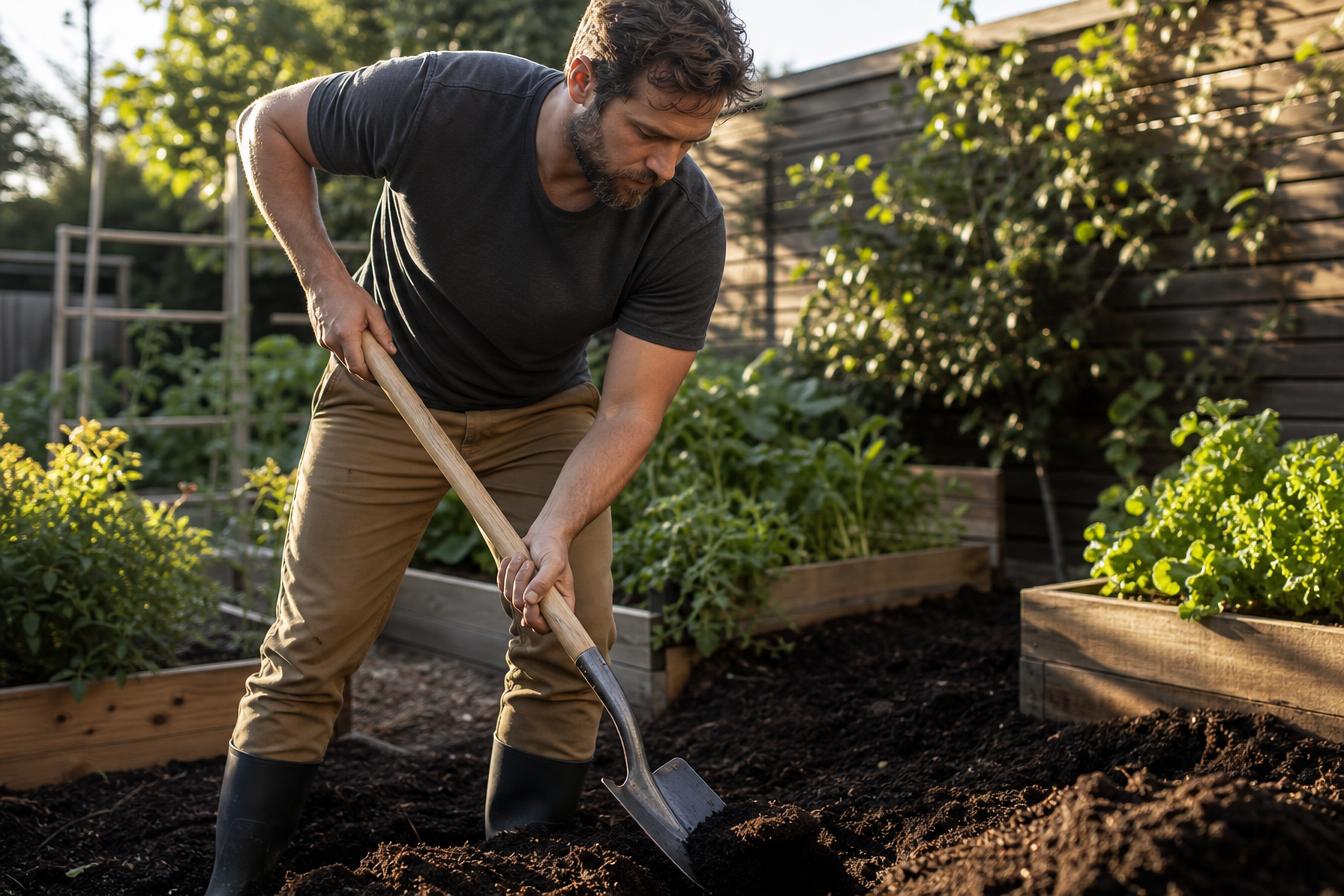
Long-handle garden tools — often called stick tools in the trade — do the heavy work in every yard: digging, moving soil, levelling beds, edging lawns, clearing leaves. Buying the right ones is straightforward once you know what each tool is designed to do and where the quality actually lives.
This guide walks through the core tools, the wood-versus-fiberglass handle question, and how the needs of a homeowner differ from those of a landscaper working six days a week.
The Core Long-Handle Tools
Round-Point Digging Shovel
The default digging tool. The pointed blade penetrates compacted soil, sod and gravel, and the curved face holds material while you lift. If you own one long-handle tool, this is it. Look for a tempered steel blade and a reinforced collar where the blade meets the handle — that joint is where cheap shovels fail.
Square-Point Shovel
A flat blade with square corners, built for scooping and moving rather than digging: soil, mulch, gravel, sand, compost off a driveway. It also lifts material cleanly off hard surfaces, which a round-point shovel cannot do well.
Garden Spade
Flatter and squarer than a shovel, with a sharpened edge and usually a shorter handle with a D-grip. A spade slices — into sod, through roots, along bed edges — and gives you the clean vertical cut a shovel will not.
Garden Rake (Bow Rake)
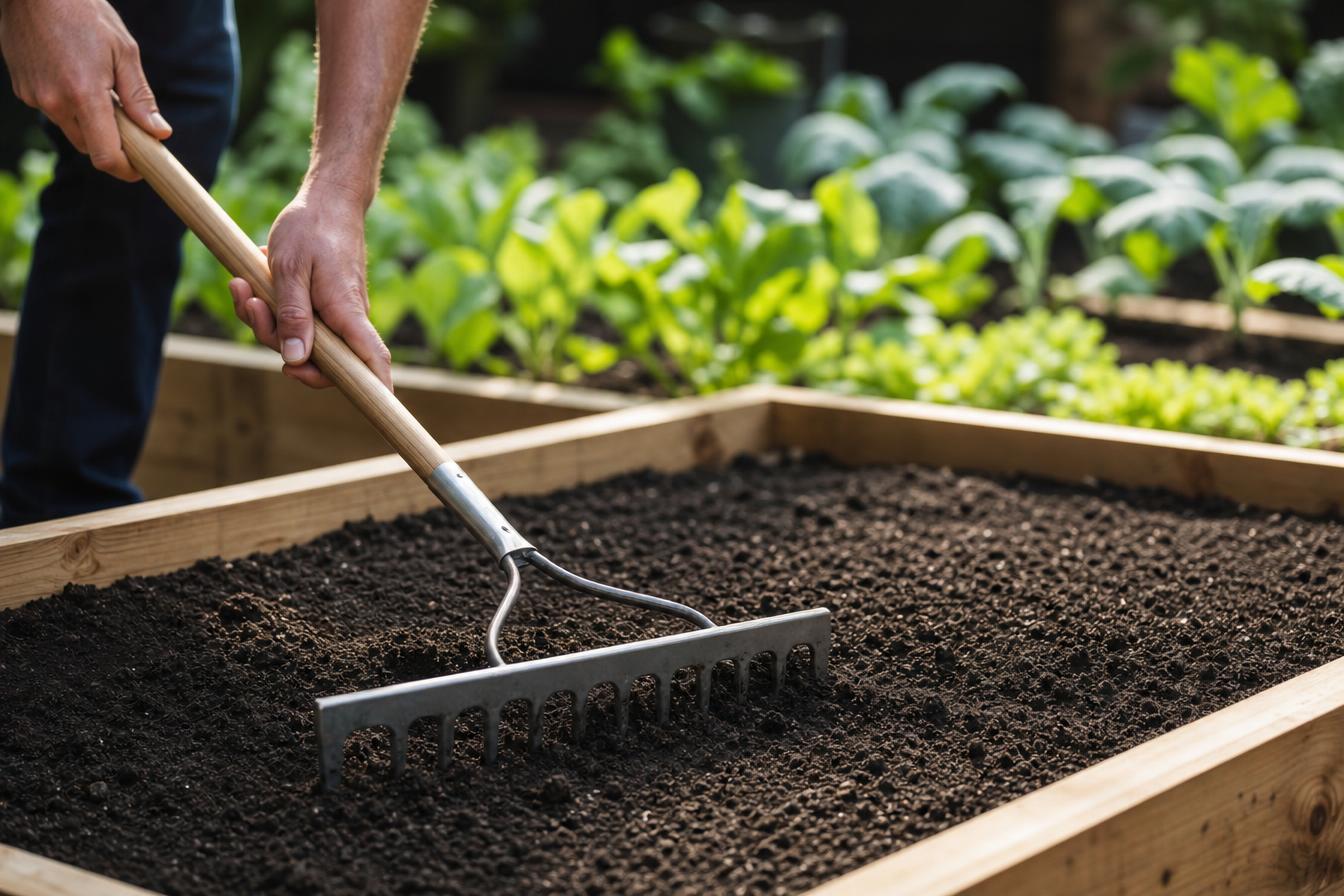
Short, rigid steel tines on a heavy head. Used for levelling soil, breaking up clumps, spreading gravel and mulch, and preparing a seed bed. It is a soil tool, not a leaf tool.
Leaf Rake
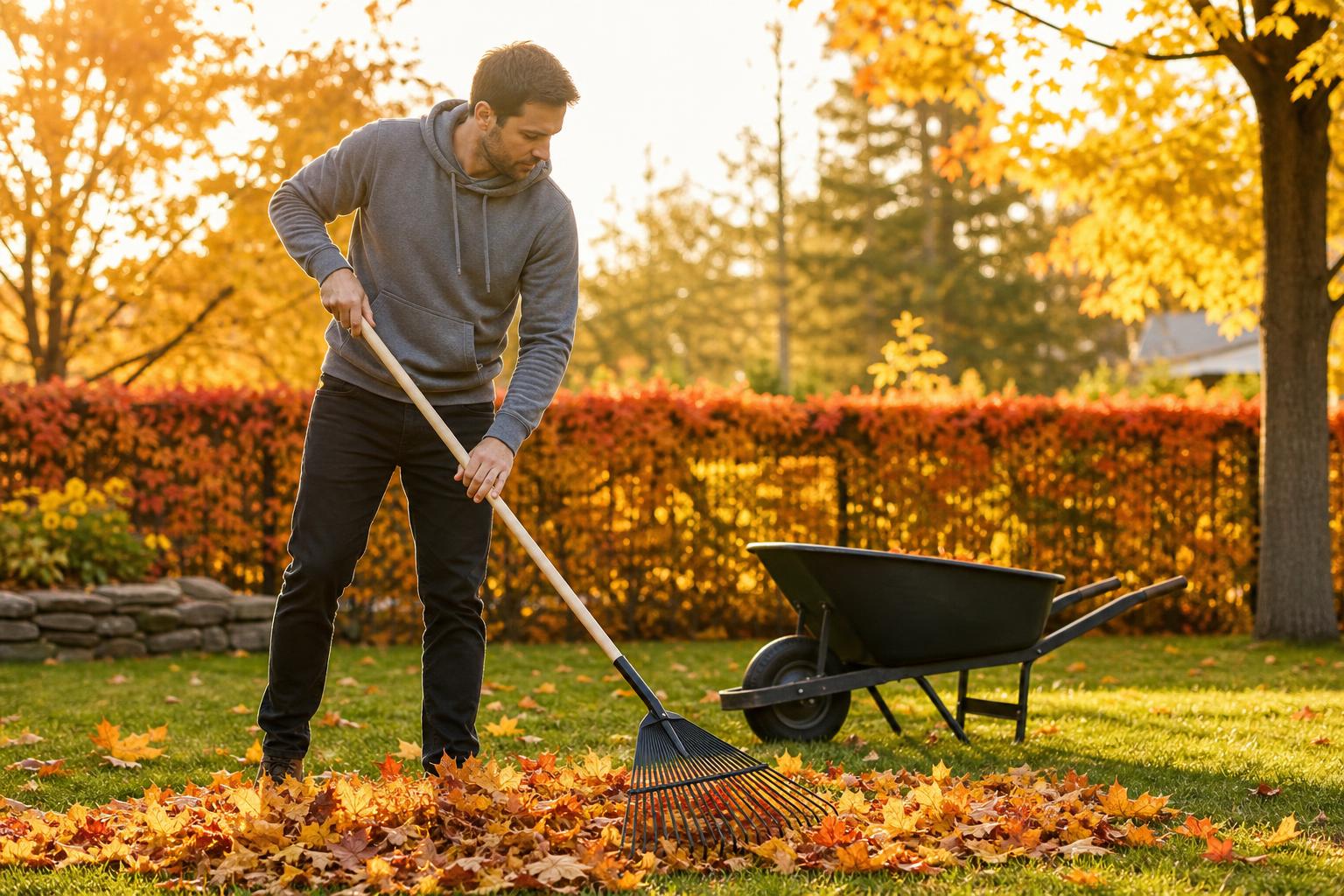
Wide fan head with flexible tines that gather leaves and clippings without tearing the turf. In most of Canada it does double duty: fall leaf cleanup and the spring de-thatching pass after snow melt.
Garden Hoe
The most efficient weeding tool ever made. Drawn just under the surface, a sharp hoe cuts weed seedlings off at the root before they establish — a few minutes a week beats an afternoon of hand-pulling in July.
Spading and Digging Forks
Forks loosen and turn soil, lift potatoes and root crops, break up compaction and move compost or mulch without the resistance a solid blade creates. In heavy clay, a fork often works where a shovel just bounces.
Edgers
A half-moon edger cuts the crisp line between lawn and bed that makes an ordinary garden look maintained. Once the edge is cut, keeping it is a few minutes each month.

Wood vs. Fiberglass Handles
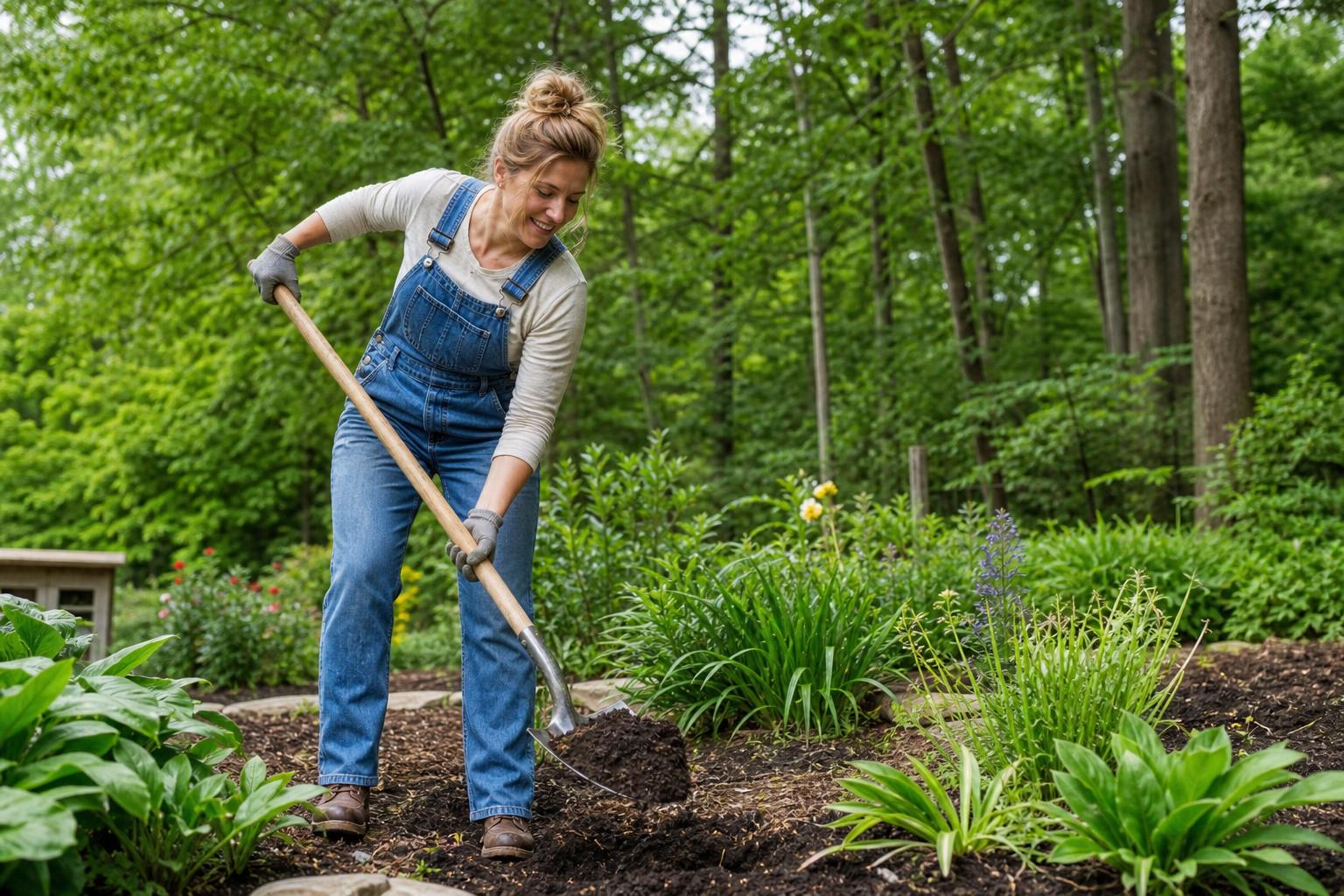
This is the choice that most affects how a tool feels and how long it lasts. Both materials are good; they suit different users.
| Handle | Advantages | Considerations | Best for |
|---|---|---|---|
| Hardwood | Excellent shock absorption, natural balance, replaceable, traditional feel | Can splinter, dry out or rot if stored wet | Homeowners and gardeners who want feel and value |
| Fiberglass | Lightweight, weather resistant, will not rot or splinter, high strength | Higher cost, less flex than wood in some designs | Landscapers, contractors and heavy repeat use |
Holland Greenhouse builds its long-handle program around this split — orange fiberglass handles for the Landscape Grade tools that professionals depend on, and premium hardwood for the Garden and Homeowner Grades. You can compare all three on the stick tools page.
Shovel vs. Spade: Which One Do You Need?
- Digging a planting hole, moving soil, breaking into gravel — shovel.
- Cutting sod, slicing through roots, edging a bed, transplanting a shrub cleanly — spade.
- Moving mulch, sand or compost off a hard surface — square-point shovel.
- Working in tight bed spaces where control matters more than volume — spade with a D-grip.
Garden Rake vs. Leaf Rake
Use the bow rake when you are working soil: levelling a new bed, raking in seed, spreading topdressing, pulling stones out of a planting area. Use the leaf rake when you are working the surface: leaves, clippings, light thatch. Using a bow rake on a lawn tears it; using a leaf rake on soil accomplishes nothing.
Spring Garden Preparation: The Tools That Come Out First
Across most of the country the season opens the same way — the ground thaws, the lawn is matted, and the beds are full of last year's growth.
- Leaf rake — clear matted leaves and light thatch once the lawn dries enough to walk on.
- Spading fork — open compacted soil in beds without destroying its structure.
- Bow rake — level beds and prepare a fine seed bed for vegetables and grass repair.
- Spade — recut bed edges and lift and divide crowded perennials.
- Hoe — start weeding early, while weeds are still seedlings.
- Wheelbarrow or cart — everything above produces material that has to be moved somewhere.
Homeowner vs. Professional Use
A homeowner tool is used perhaps forty times a season. A landscaper's shovel may see that in a week, hitting concrete, buried brick and frozen ground along the way.
For occasional use, a well-made hardwood tool is a sound long-term purchase. For daily professional use, look for heavier-gauge blades, reinforced collars, fiberglass handles and shock-absorbing grips — features that cost more up front and remove the recurring cost of replacing broken tools mid-job.
Maintenance and Storage
- Scrape and rinse soil off blades after use; wet soil left on steel is how rust starts.
- Dry the tool before it goes back in the shed.
- Sharpen spades, hoes and edgers with a mill file — a few strokes along the existing bevel is enough.
- Wipe blades with a light oil before winter storage.
- Sand and oil wooden handles once a season to prevent drying and splintering.
- Hang tools rather than standing them on their blades in a damp corner.
Frequently Asked Questions
What is the difference between a shovel and a spade?
A shovel has a curved, usually pointed blade designed to scoop and move loose material. A spade has a flatter, squarer blade with a sharp edge designed to slice into soil, cut roots and create clean edges. Most gardens need both.
What is the difference between a garden rake and a leaf rake?
A garden rake (bow or level-head rake) has short rigid steel tines for levelling soil, breaking clumps and preparing seed beds. A leaf rake has wide flexible tines made to gather leaves and grass clippings without digging into the lawn.
Are fiberglass or wood tool handles better?
Fiberglass handles are lighter, will not rot or splinter, and resist weather, which suits frequent and professional use. Hardwood handles absorb shock well, feel balanced and can be replaced when broken. Choose fiberglass for heavy daily work, wood for traditional feel and value.
Which long-handle tools should every Canadian homeowner own?
A round-point digging shovel, a garden spade, a bow rake, a leaf rake and a garden hoe cover the vast majority of yard work. A spading fork and a lawn edger are the next two additions once beds and lawns need regular upkeep.
What is the best shovel for digging in hard or rocky soil?
A round-point digging shovel with a tempered steel blade and a reinforced collar where the blade meets the handle. Rocky Canadian Shield and clay soils punish light-gauge blades, so blade thickness and collar strength matter more than the price on the tag.
How should garden tools be stored over winter?
Clean the soil off, dry the metal, apply a light coat of oil to the blades and hang the tools handle-down in a dry shed or garage. Storing tools standing in a damp corner is what causes rusted blades and cracked handles by spring.
How often should shovels and hoes be sharpened?
Once at the start of the season and again mid-season for tools in regular use. A sharpened spade or hoe cuts soil and roots with far less effort, which reduces strain on both the tool and the person using it.
Holland Greenhouse has supplied Canadian garden centres and retailers since 1988. Explore the long-handle stick tool program, the hand tool grades for close-in bed work, and wheelbarrows and carts for moving what you dig. For the rest of the shed, read our guides to choosing a garden hose and pruning and cutting tools.